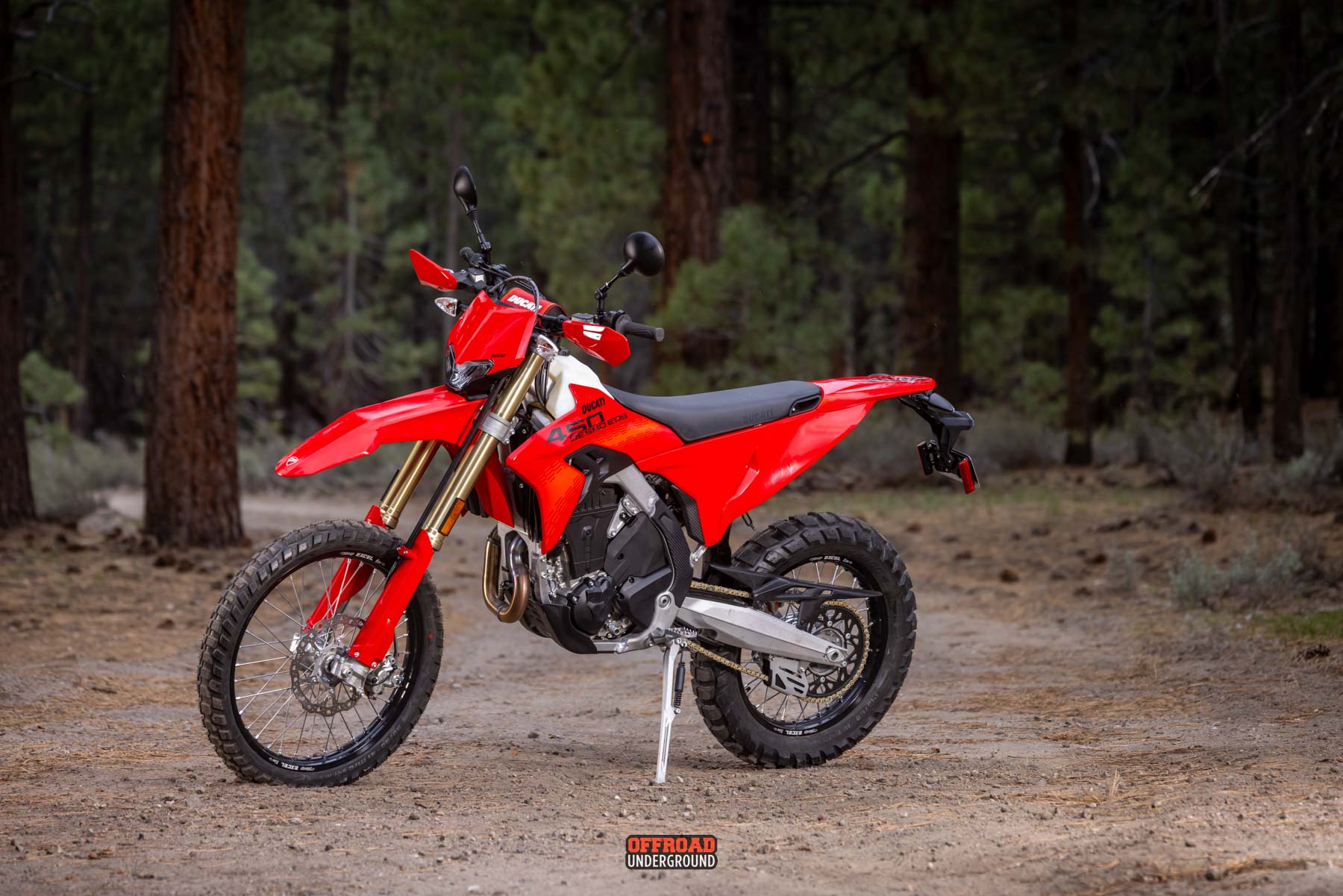
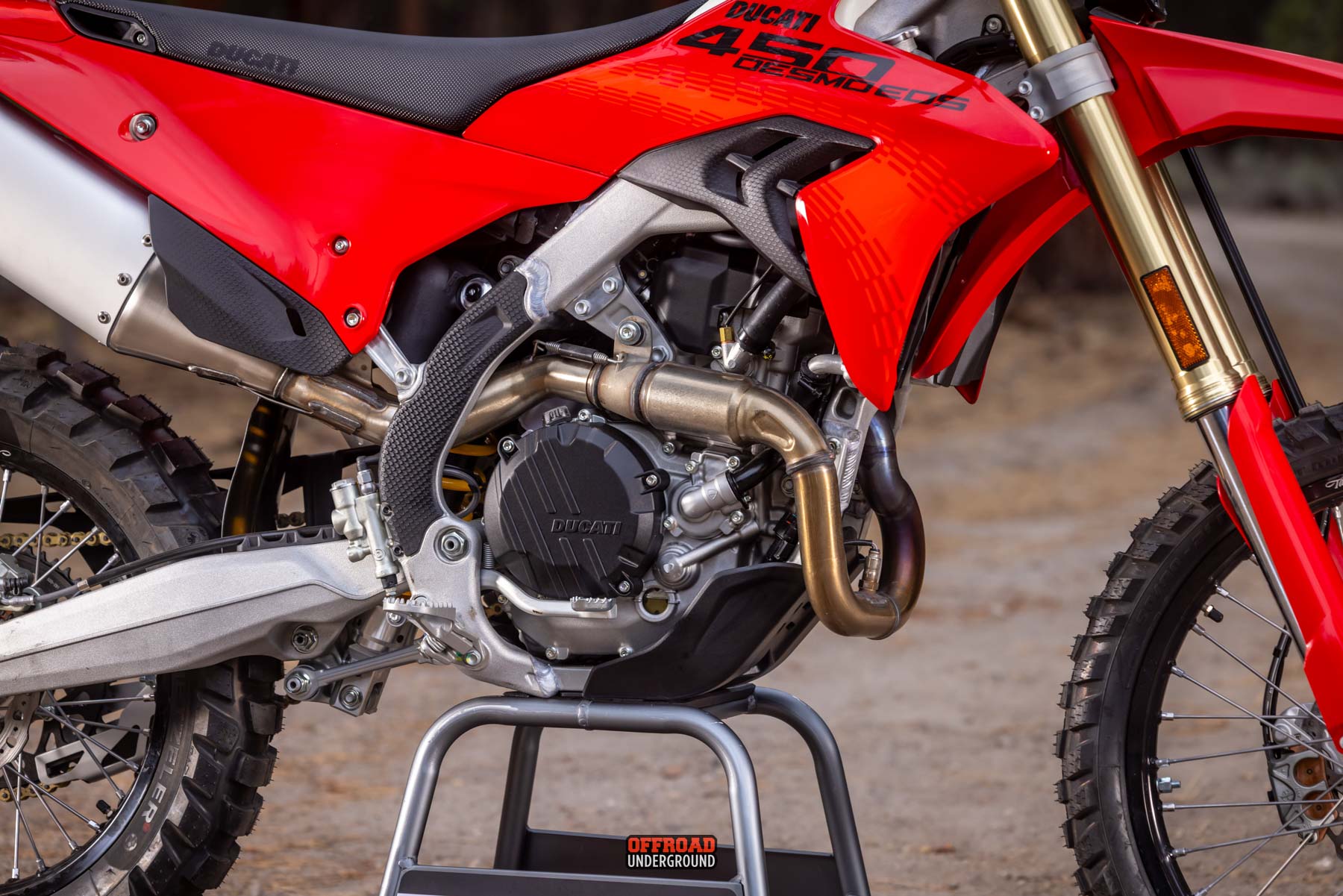
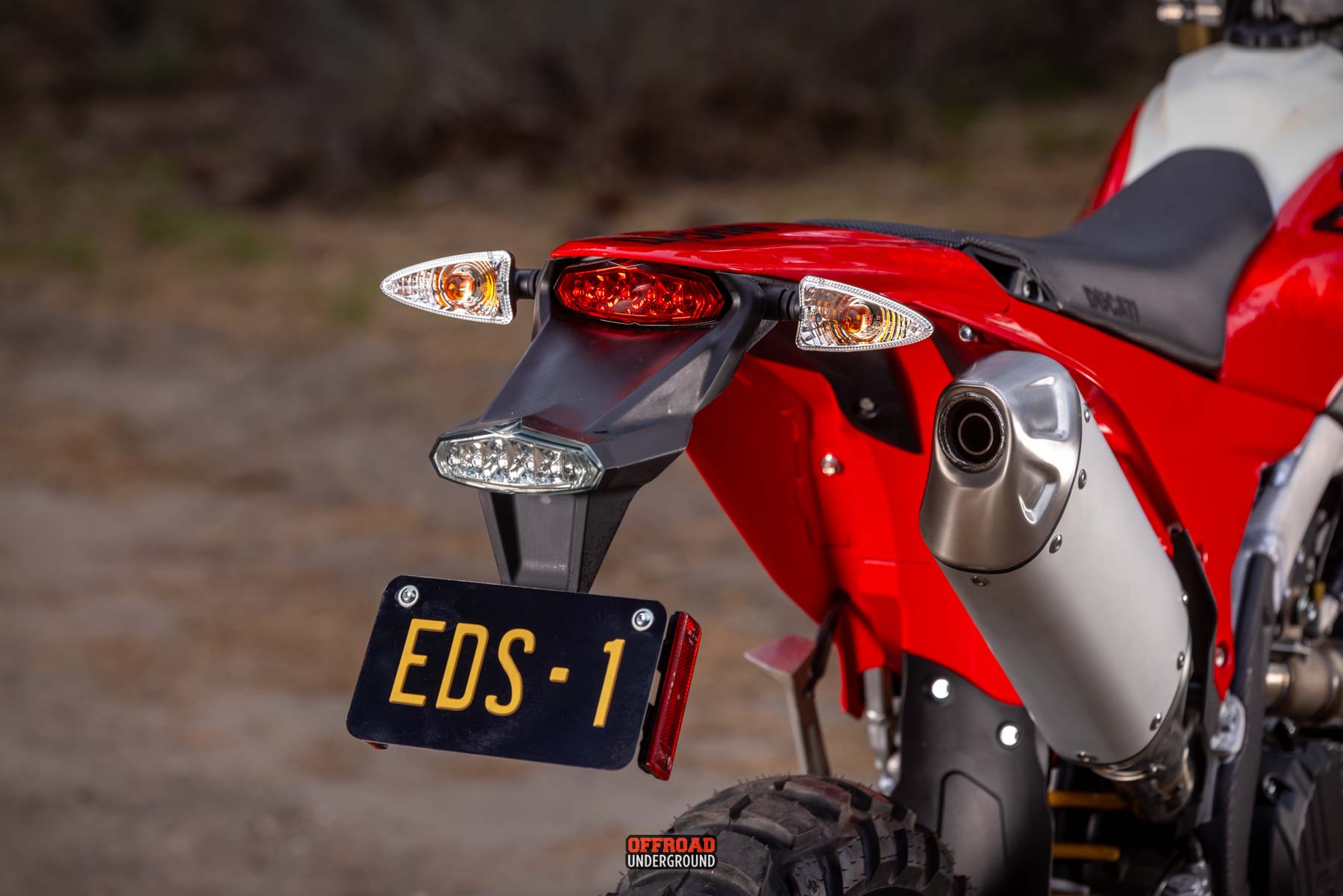
The Desmo450 EDS frame is based on the aluminum perimeter frame of the Desmo450 MX and is further developed by refining the engine mounts to achieve the right stiffness for enduro riding. The frame design creates a lightweight structure that allows the engine to have the straightest possible intake and exhaust ducts for maximum performance. The Borgo Panigale-based company’s engineers have succeeded in creating a structure weighing less than 19.8 lbs, with the fewest possible welds, thereby achieving the desired weight, reliability, and stiffness targets.
The Desmo450 EDS frame is made of just 11 parts—about half the number of its competitors—and is composed of cast, forged and extruded elements. The front section, which connects the steering head to the upper shock absorber mount, is a single cast element. This construction technology, which Ducati also uses on its Superbike frames, allows complete control over thicknesses, using only the necessary amount of material at each point and creating complex shapes without compromising weight or strength.
The frame significantly helps keep the bike’s weight at 264.3 lbs in its street-legal configuration, ready for use but without fuel.
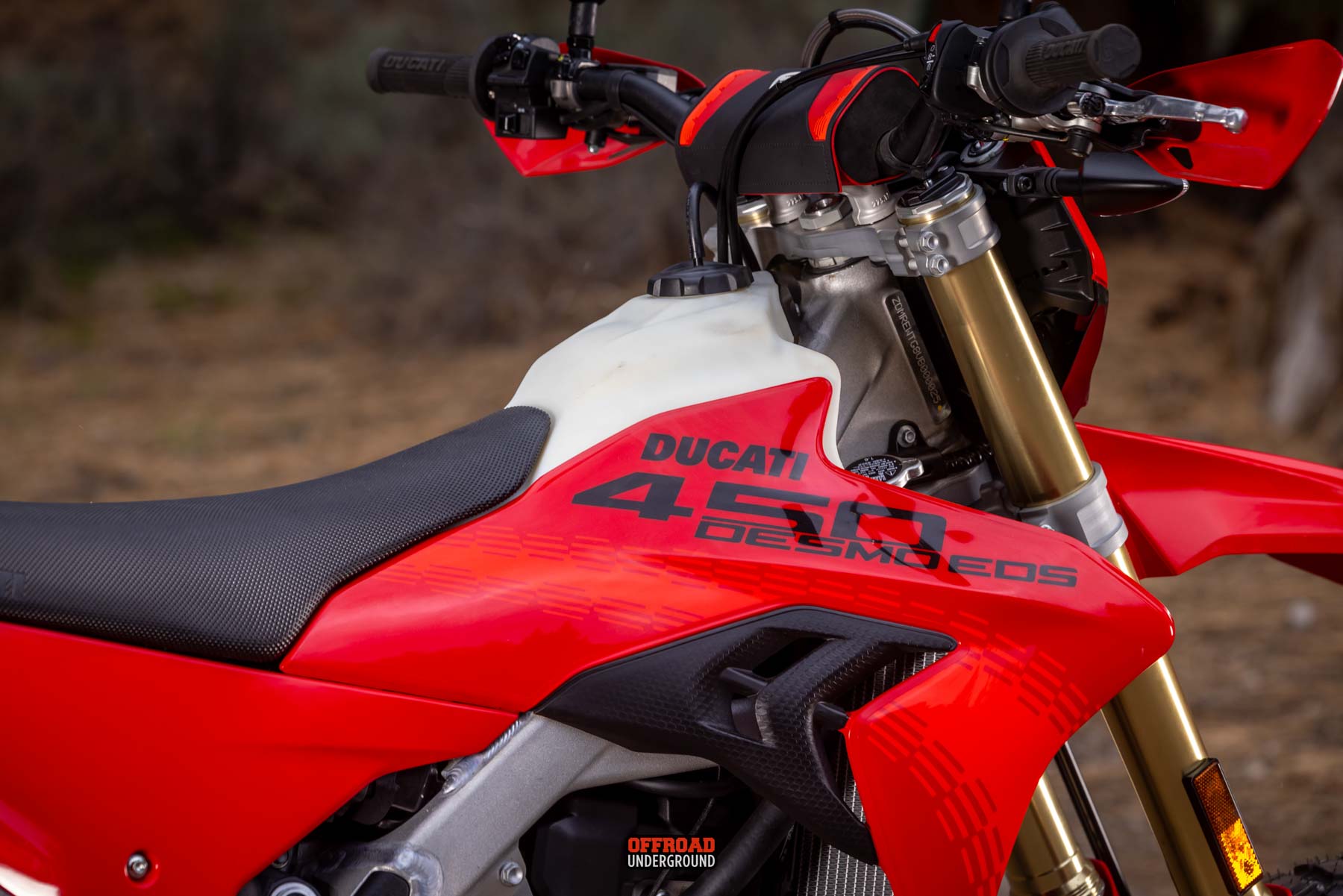
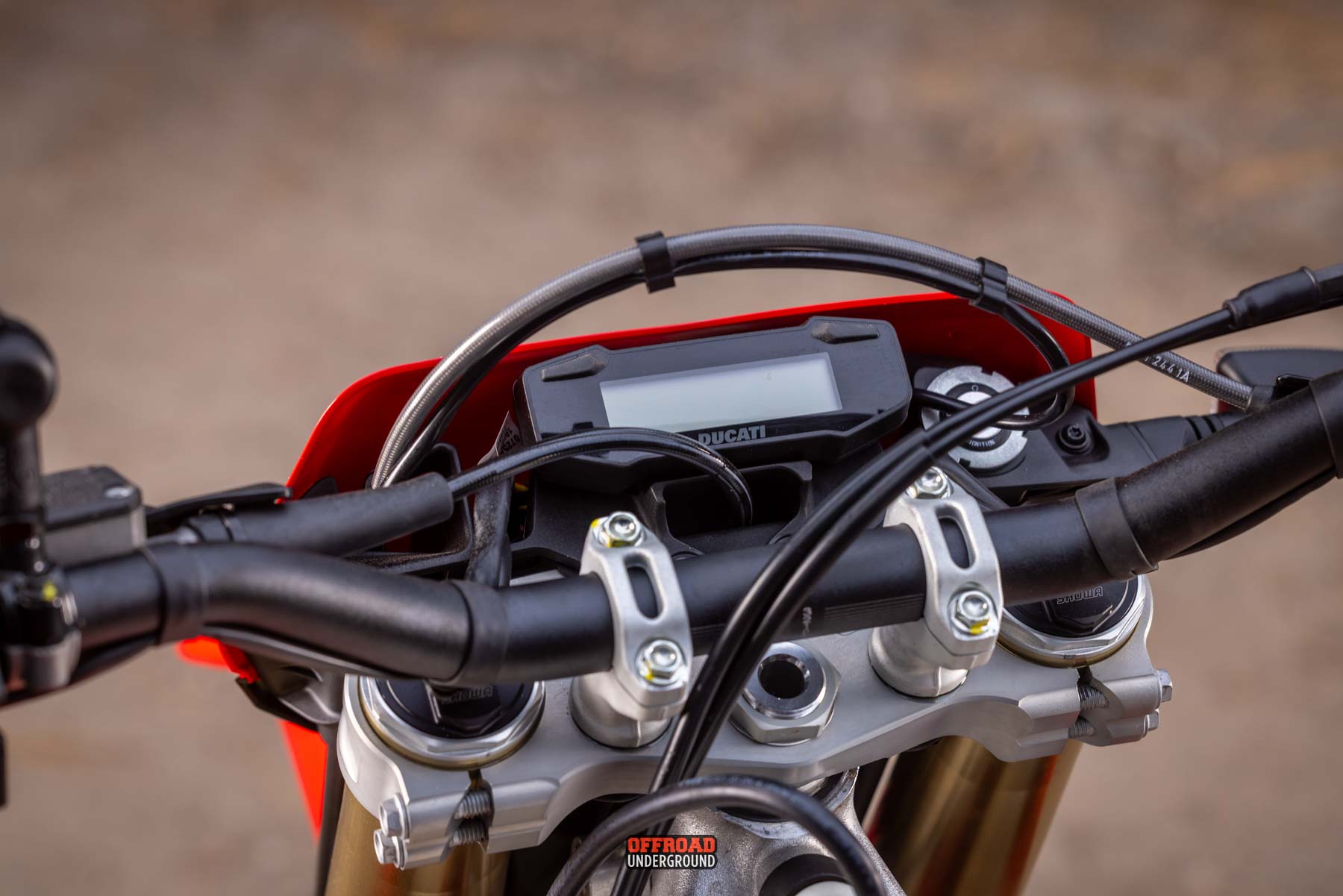
The Desmo450 EDS has collaborated with Showa for the suspension. The manufacturer worked with Ducati test riders, including multiple enduro world champion and European Supercross Champion Antoine Meo, to develop its first fork model specifically dedicated to this discipline. With 49 mm fork tubes and 310 mm of travel, and softer springs than those fitted to the Desmo450 MX, the fork offers greater ability to absorb bumps such as rocks and roots, typical of enduro, greater confidence when entering corners and improved control on slow and technical sections. At the same time, the shock absorber, mounted on a progressive link, was designed to provide traction and stability during acceleration.
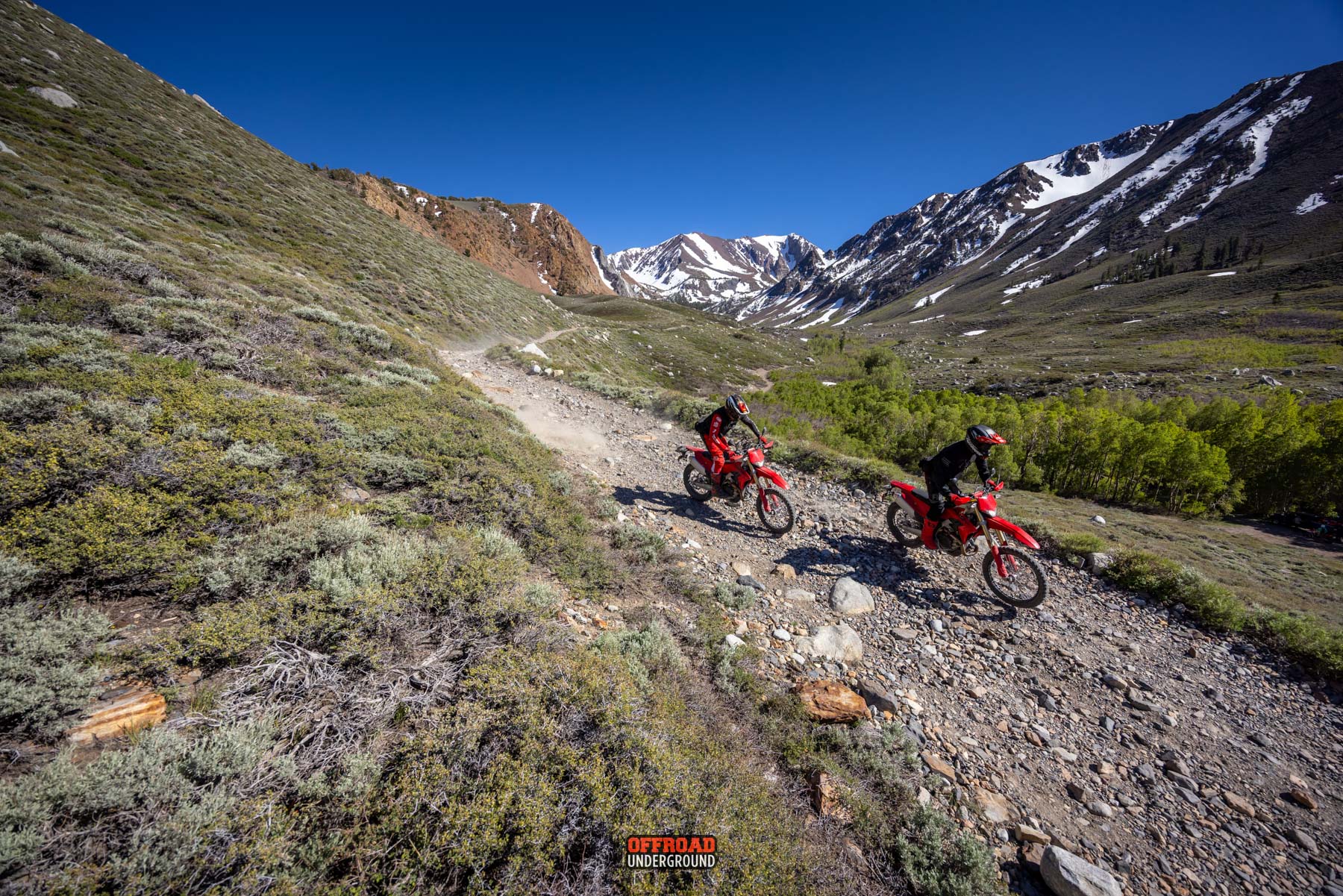
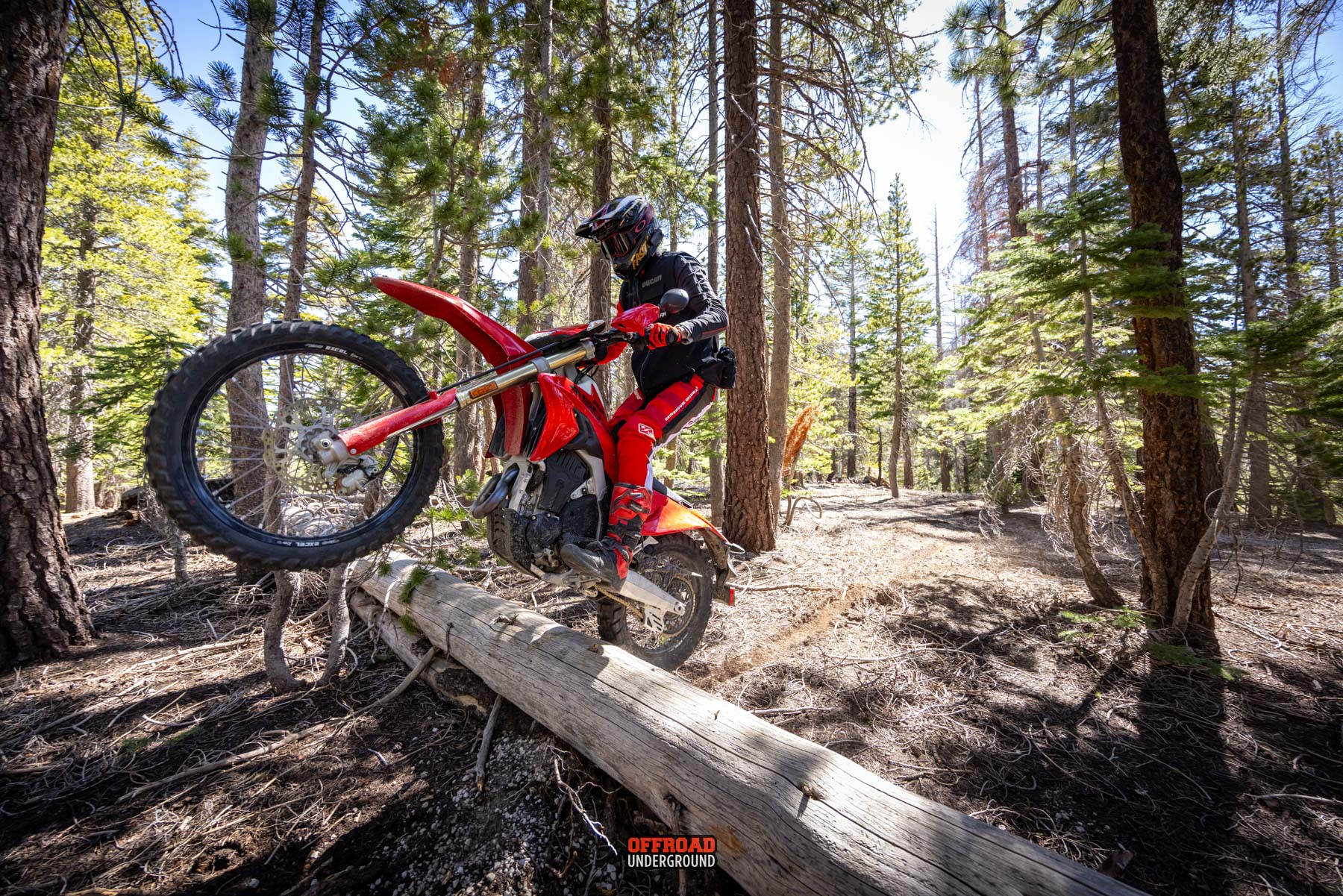
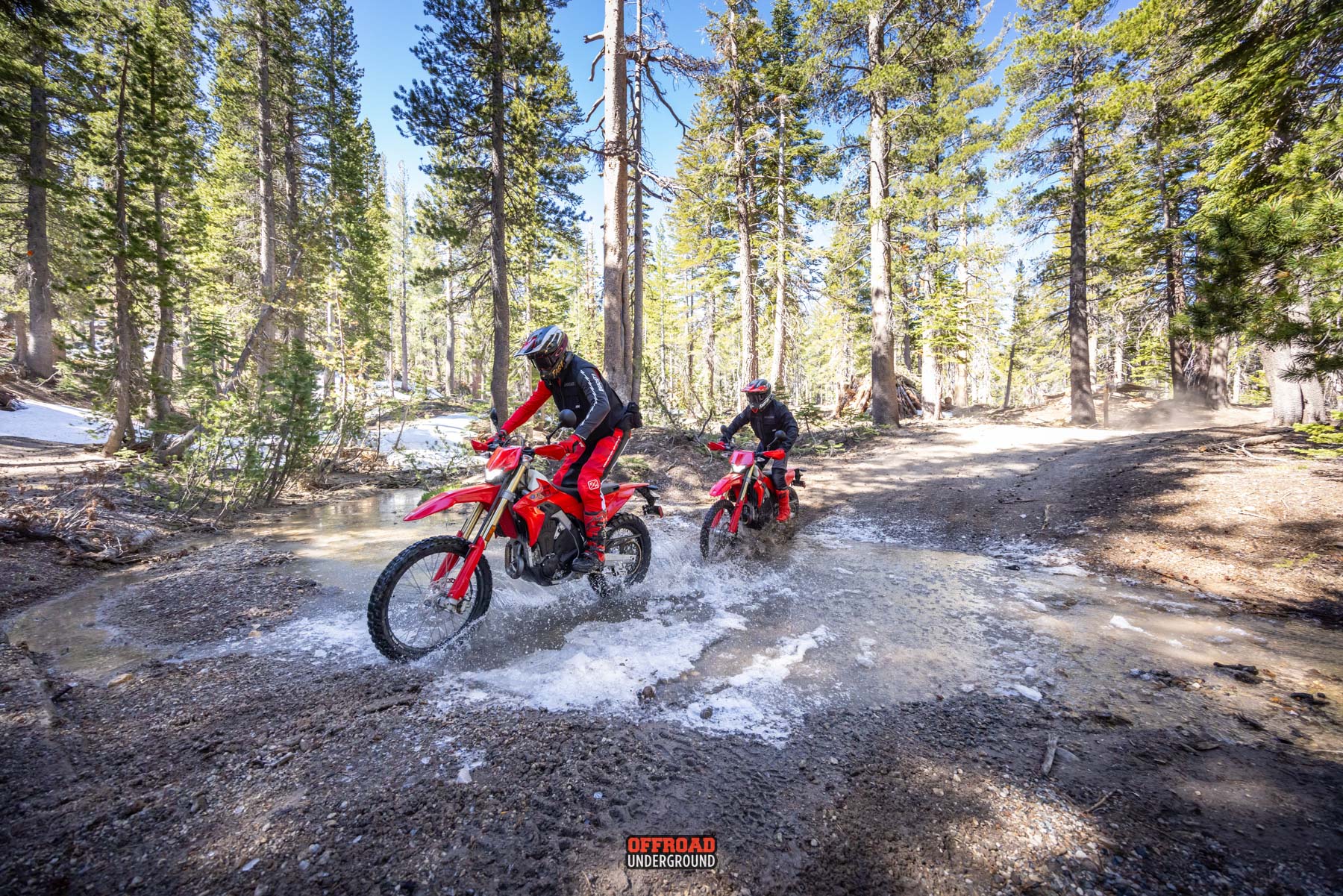
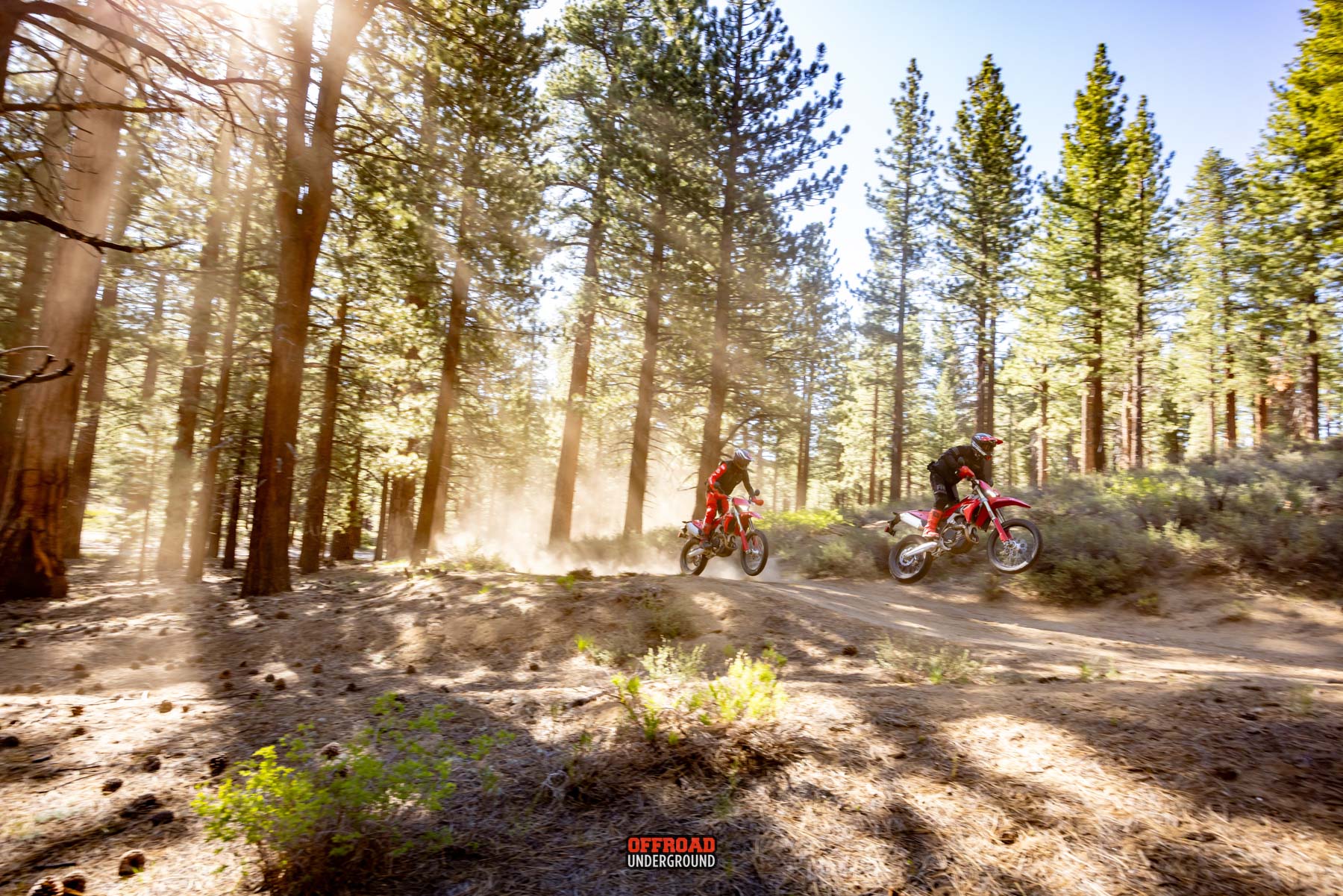
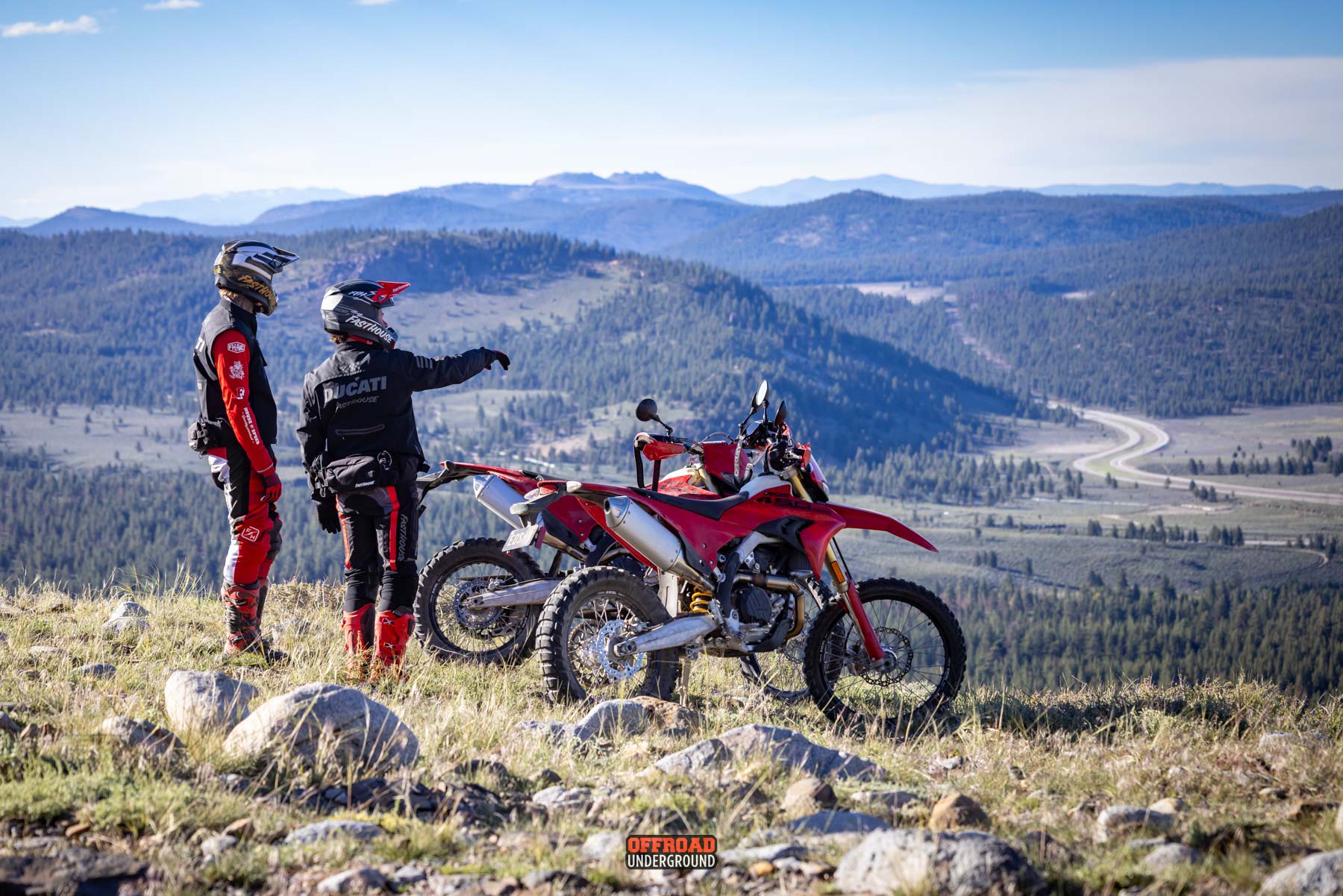
The result is a motorcycle that makes riding easier and increases the rider’s confidence, whether amateur or professional, even on the most technical sections. An agile and maneuverable bike that allows for quick changes of direction and offers total control, reducing fatigue during races and long training rides.
For the braking system, Ducati has again chosen to collaborate with Brembo, with which it has developed a benchmark braking system for motocross, as it has done for many years on its road bikes. The front features a two-piston floating caliper, while the rear features a single-piston caliper. The Galfer brake discs are 260 mm at the front and 240 mm at the rear; the pads were specifically designed with the specific modulation requirements of enduro riding in mind.